Premium Training Gear

Unlock Your
Strength Potential

Gymwear and hydration essentials built for the reps nobody sees — no logo louder than the workout, no piece that quits before you do.

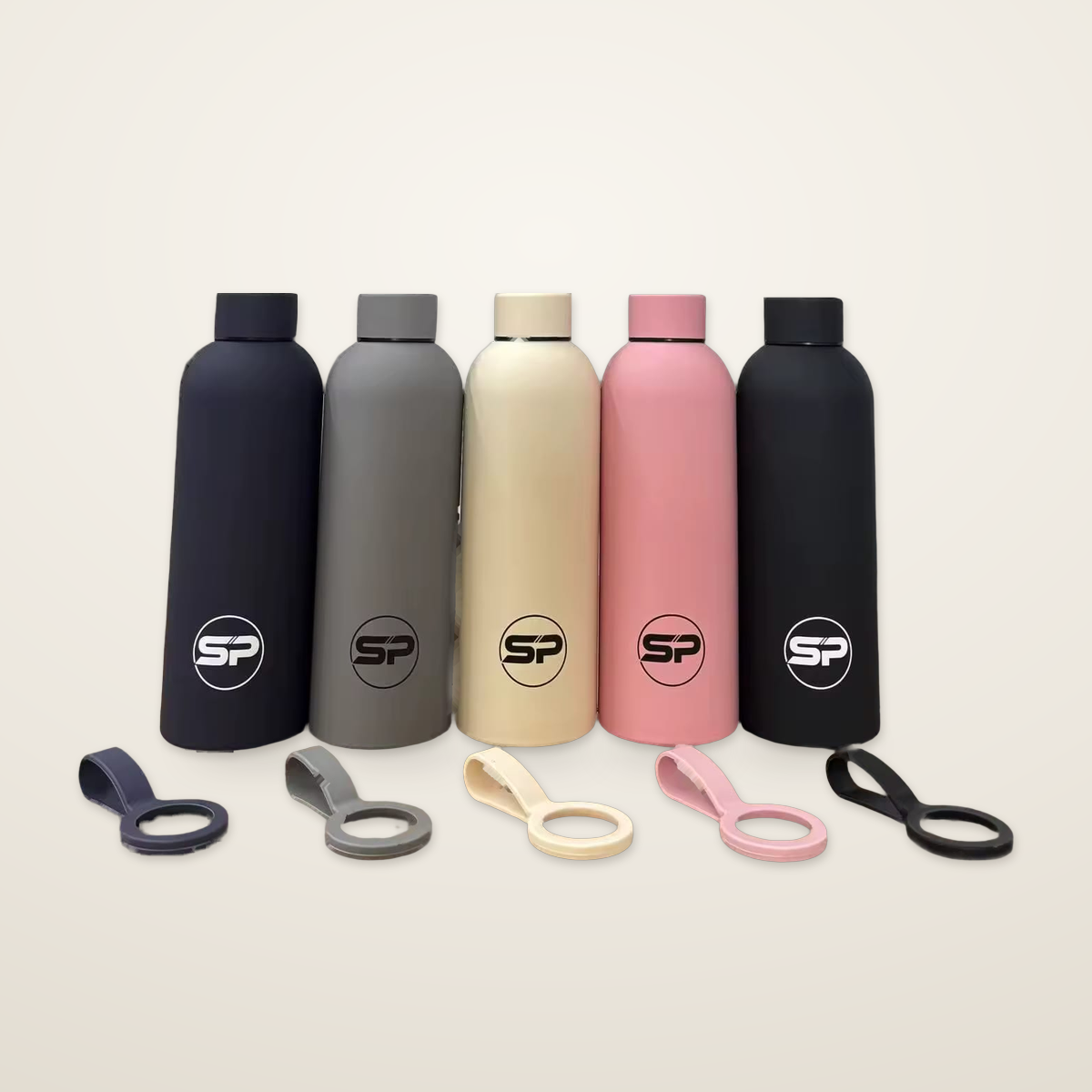
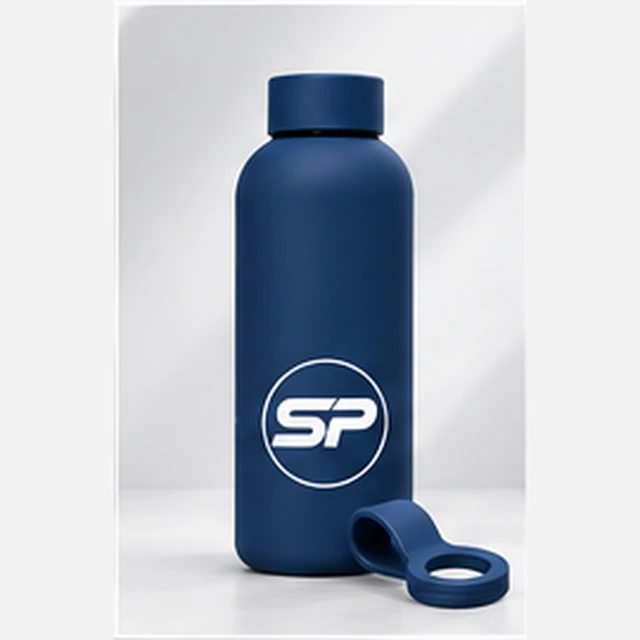
Strength Potential stainless bottles in five colourways
SP-01 · BOTTLE 5 COLOURWAYS

The Kit

Gear That Earns
Its Place

SP-01 SP performance bottle in five colourways

SP Performance Bottle

Everyday training bottle with a powder-coated finish and the SP mark, built to sit in your gym bag and your desk.

5 colours
£6
SP-02 SP signature caps in rust, black and grey

SP Signature Cap

Structured six-panel snapback with an embroidered SP mark and a flat brim, cut for everyday wear on and off the platform.

4 colours
£7
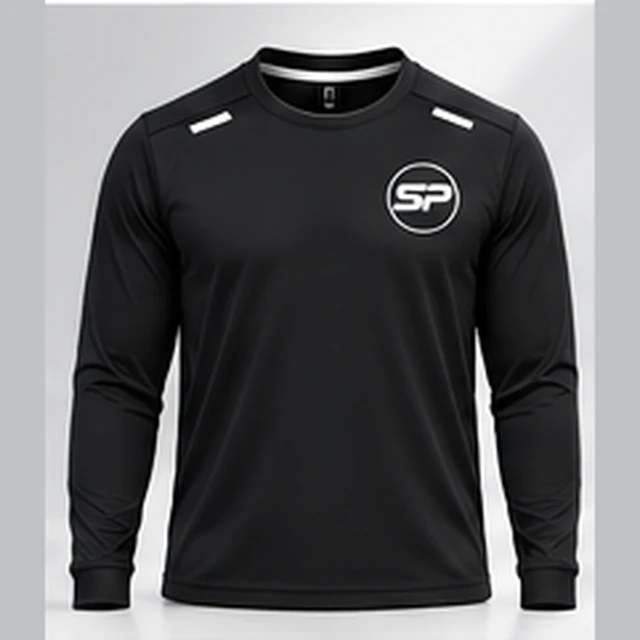
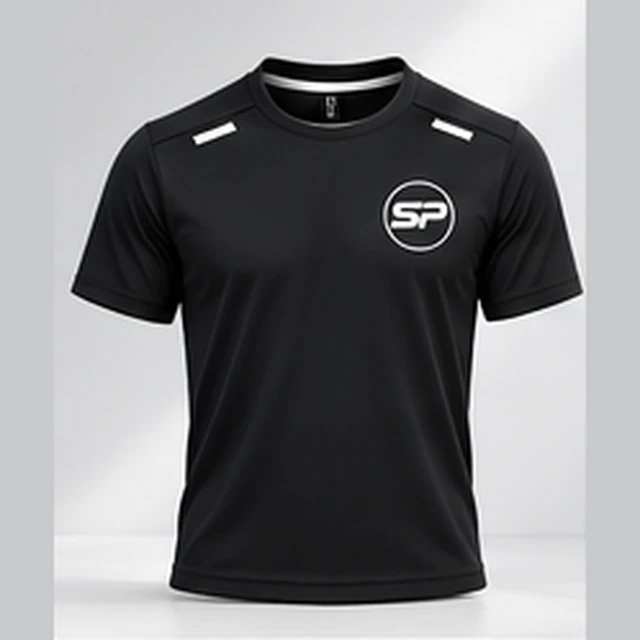
SP-03 SP performance long sleeve shirt

SP Performance Shirt

Lightweight athletic layer with the SP mark — mock-neck long sleeve for cold sessions, crew tee for everything else.

Long sleeve / tee
£9

In The Bag

Built For
The Rack

Long sleeve shirt detail
Long Sleeve
Bottle colourways
Bottle · 5 Colours
Caps group
Cap
Cap detail, blue and lining
Detail
Tee detail
Tee
Strength Potential mark

On The Body

Built To Be Worn

No stock photography standing in for real customers — until we've got proper shoot days on camera, here's the kit in motion, drawn the way we train.

Press Day

The cap that stays put, set after set — flat brim, six-panel structure, zero slipping.

SP-02 · Signature Cap

Between Sets

Powder-coated and always within reach — the bottle that survives a bag drop and a bad day.

SP-01 · Performance Bottle

In Session

Lightweight and out of the way — built to move through the warm-up and the last rep alike.

SP-03 · Performance Shirt

Philosophy

Strength isn't lent. It's built.

Strength Potential exists for the sets nobody's watching — the early mornings, the last rep, the quiet discipline that actually moves the needle. We keep the gear simple: nothing built for the mirror instead of the platform.

Every piece carries one mark and one idea — that potential only counts once you put it under load.

3Core Products
9Colourways
1Standard: Built To Last

Free Resource

Train With Us

Programs and training notes, free for anyone who wants them — no email gate, no paywall. Everything below is written by us or supplied by our own athletes, not lifted from anyone else's site.

Intermediate / Advanced · 6 Days · Member-Submitted

Wave Periodization Powerbuilding

A 4-week wave cycle built around the big three. Work off your 1-rep max percentage on bench, squat and deadlift — the accessory work stays constant, only the main-lift scheme changes each wave. Start back at Wave 1 once Wave 4's deload is done.

View Full Program
WaveScheme (Bench / Squat / Deadlift day)
Wave 1 — Build65%×5, 70%×5, 75%×5, 80%×5, 70%×AMRAP
Wave 2 — Intensify75%×3, 80%×3, 85%×3, 90%×3
Wave 3 — Peak50%×10, 60%×5, 70%×3, 80%×1, 85%×1, 90%×AMRAP
Wave 4 — Deload70%×3, taken for 7 straight sets

Monday — Chest / Triceps

  • Bench Press — that wave's scheme, above
  • Incline Dumbbell Press — 4 × 8–15
  • Chest Flys — 4 × 8–15
  • Floor Press — 4 × 8–15
  • Tricep Overhead Extension — 4 × 12–15
  • Superset: Tricep Pushdowns / Tricep Dips — 4 × 12–15 / AMRAP

Tuesday — Back / Biceps

  • Superset: Lat Pulldown / Pull-Ups — 4 × 10–12 / AMRAP
  • Dumbbell One-Arm Row — 4 × 10–12
  • Barbell Row — 4 × 10–12
  • Reverse Lat Pulldown — 4 × 12–15
  • Dumbbell Curl — 4 × 12–15
  • Superset: Preacher Curls / Reverse EZ-Bar Curls — 4 × 12–15

Wednesday — Legs

  • Squats — that wave's scheme, above
  • Barbell or Dumbbell Lunge — 4 × 10
  • Stiff-Leg Deadlifts — 4 × 10–12
  • Hamstring Curl — 4 × 10–12
  • Leg Extension — 4 × 10–12
  • Calf Raises — 6 × 15–20

Thursday — Shoulders / Arms

  • Superset (3): Overhead Press / Dumbbell Press / Arnold Press — 4 × 10–12
  • Superset (2): Side Lateral Raises / Front Plate Raises — 4 × 10–12
  • Face Pulls — 4 × 15–20
  • Dumbbell Shrugs — 4 × 12–15
  • Superset: Barbell Curl / Close-Grip Bench — 6 × 12–15

Friday — Back / Chest

  • Deadlifts — that wave's scheme, above
  • Cable Rows — 4 × 10–12
  • Pull-Ups — 4 × AMRAP
  • Dumbbell Chest Press — 4 × 8–10
  • Incline Barbell Press — 4 × 10–12
  • Dumbbell Incline Fly — 4 × 10–12

Saturday — Legs

  • Front Squats — 4 × 8–10 (straight sets, no wave scheme)
  • Jefferson Squats — 4 × 12–15
  • Leg Extension — 4 × 10–12
  • Superset: Single-Leg Extension / Leg Extension — 4 × 8–10
  • Barbell Hip Thrust — 4 × 10–12
  • Leg Press — 4 × 10–12
  • Calf Raises — 6 × 15–20
Beginner · 3 Days · SP Original

SP Foundations

Full-body, three days a week, built around the big compound lifts. The goal isn't variety — it's learning the movements and adding weight to the bar every session for as long as that works.

View Full Program

Day A

  • Squat — 3 × 5
  • Bench Press — 3 × 5
  • Barbell Row — 3 × 8
  • Plank — 3 × 30–45s

Day B

  • Deadlift — 1 top set of 5
  • Overhead Press — 3 × 5
  • Pull-Ups or Lat Pulldown — 3 × 8
  • Dumbbell Lunge — 3 × 10 per leg

Day C

  • Squat — 3 × 5
  • Incline Dumbbell Press — 3 × 8
  • Seated Cable Row — 3 × 8
  • Face Pulls — 3 × 15

Rotate A/B/C each session (Mon/Wed/Fri). Add a small amount of weight each time you hit every rep with good form. Miss reps two sessions running on a lift — drop that lift's weight by about 10% and build back up.

Intermediate · 6 Days · SP Original

SP Push / Pull / Legs

A push/pull/legs split run twice through the week, so every muscle group gets hit twice. Suited to lifters who've already got a year or so of consistent training behind them.

View Full Program

Push A — Chest Focus

  • Bench Press — 4 × 6
  • Incline Dumbbell Press — 3 × 10
  • Overhead Press — 3 × 8
  • Lateral Raise — 3 × 15
  • Tricep Pushdown — 3 × 12

Pull A — Back Focus

  • Deadlift — 3 × 5
  • Pull-Ups — 4 × AMRAP
  • Barbell Row — 3 × 8
  • Face Pulls — 3 × 15
  • Barbell Curl — 3 × 10

Legs A — Quad Focus

  • Squat — 4 × 6
  • Leg Press — 3 × 10
  • Walking Lunge — 3 × 12 per leg
  • Leg Extension — 3 × 15
  • Calf Raise — 4 × 15

Push B — Shoulder Focus

  • Overhead Press — 4 × 6
  • Flat Dumbbell Press — 3 × 10
  • Incline Cable Fly — 3 × 12
  • Lateral Raise — 4 × 15
  • Skullcrusher — 3 × 12

Pull B — Width Focus

  • Weighted Pull-Ups — 4 × 6
  • Cable Row — 3 × 10
  • Lat Pulldown — 3 × 10
  • Rear Delt Fly — 3 × 15
  • Hammer Curl — 3 × 10

Legs B — Posterior Chain Focus

  • Romanian Deadlift — 4 × 8
  • Front Squat — 3 × 8
  • Hip Thrust — 3 × 10
  • Leg Curl — 3 × 12
  • Calf Raise — 4 × 15

Programming note: percentages are of your current 1-rep max — retest or estimate it before starting a new cycle. None of this is medical advice; check with a doctor before starting a new training program, especially if you're returning from injury.

Progressive Overload, Actually Explained

+

Progressive overload is the whole reason any of the programs on this page work: your body only has a reason to get stronger if you keep asking it to do slightly more than it's used to. That's it — everything else is detail.

What "more" actually means

More weight is the obvious lever, but it's not the only one. More reps at the same weight, more sets, less rest between sets, or better technique that lets you feel the same muscle work harder all count. On a bad week, just holding your numbers steady while everything else in life is hectic is still a win — it's the months-long trend that matters, not any single session.

How to apply it without overthinking it

Pick a rep range for each main lift and try to add either a rep or a small amount of weight every session or two. When you can't add anything for two or three sessions running, that's your cue to either hold at that weight for a week or drop back slightly and build up again — which is exactly what the deload wave in the powerbuilding program above is doing on purpose.

Protein: How Much Do You Actually Need

+

Most people training seriously do fine somewhere around 1.6–2.2g of protein per kilogram of bodyweight a day (roughly 0.7–1g per pound). Above that range, research consistently shows diminishing returns — you're not building extra muscle, you're just paying for expensive urine.

Spread it out

Hitting the daily total matters more than the exact timing, but spreading intake across 3–5 meals with 25–40g of protein each tends to be easier to hit consistently than trying to cram it into one or two sittings.

Food first

Whole food sources — meat, fish, eggs, dairy, legumes — come with other nutrients a shake doesn't. Treat protein powder as the thing that fills the gap on a busy day, not the foundation of your intake.

Warm Up Like You Mean It

+

A warm-up has one job: get the specific joints and muscles you're about to load ready to actually be loaded. A general pulse-raiser (a few minutes of easy cardio) is a fine start, but it isn't a substitute for warming up the lift itself.

Ramp into the working weight

Before your first working set of a compound lift, run a few ramp-up sets from light to heavy — something like 50%, 70% and 85% of your working weight for a handful of reps each. By the time you hit your actual working weight, your nervous system has already rehearsed the movement under load.

Don't skip it when you're short on time

It's tempting to cut the warm-up when a session is rushed — that's exactly when a joint gets tweaked. Trim the accessory work instead and keep the ramp-up on the main lift intact.

Recovery Is Not Optional

+

Training breaks muscle down; recovery is what builds it back up, stronger than before. Skip the recovery side and you're just accumulating fatigue on top of fatigue, which shows up as stalled lifts, nagging joint pain, and workouts that feel harder than they should.

Sleep is the biggest lever

Most of the hormonal environment that supports muscle repair happens during deep sleep. Aiming for 7–9 hours a night will do more for your recovery than any supplement on the shelf.

Respect the rest days in your program

Every program on this page has rest days built in on purpose — they're not padding. If you're adding extra sessions on top of a program that's already asking a lot of you, fatigue will catch up with you eventually, usually right before the lift you cared about most.

Training By Feel: RPE and RIR

+

RPE (Rate of Perceived Exertion) and RIR (Reps in Reserve) are two ways of describing the same thing: how many more reps you could have done at the end of a set. RIR 2 means you stopped with two reps left in the tank; that's roughly RPE 8 on the more common 1–10 scale.

Why it matters alongside percentage-based programs

A percentage on paper assumes your 1-rep max is accurate and that you're feeling exactly the same every session — neither is ever quite true. If a wave's "80% for 5" suddenly feels like an RIR 0 grind instead of the RIR 2–3 it should be, that's useful information: your true max has probably moved, or you're carrying fatigue from somewhere else in life.

How to use it

On accessory work especially, aim to leave 1–3 reps in reserve on most sets, and treat RPE as a sense-check against the numbers on the bar — not a replacement for them.

Contact

Get In Touch

Questions about sizing, an order, or a wholesale enquiry — reach us directly and we'll get back to you.

strengthpotential24@gmail.com

Or find us on Instagram and TikTok.